
Grass Allergies Emerging: What Vaughan Residents Should Know
- rsen17
- Apr 16
- 8 min read
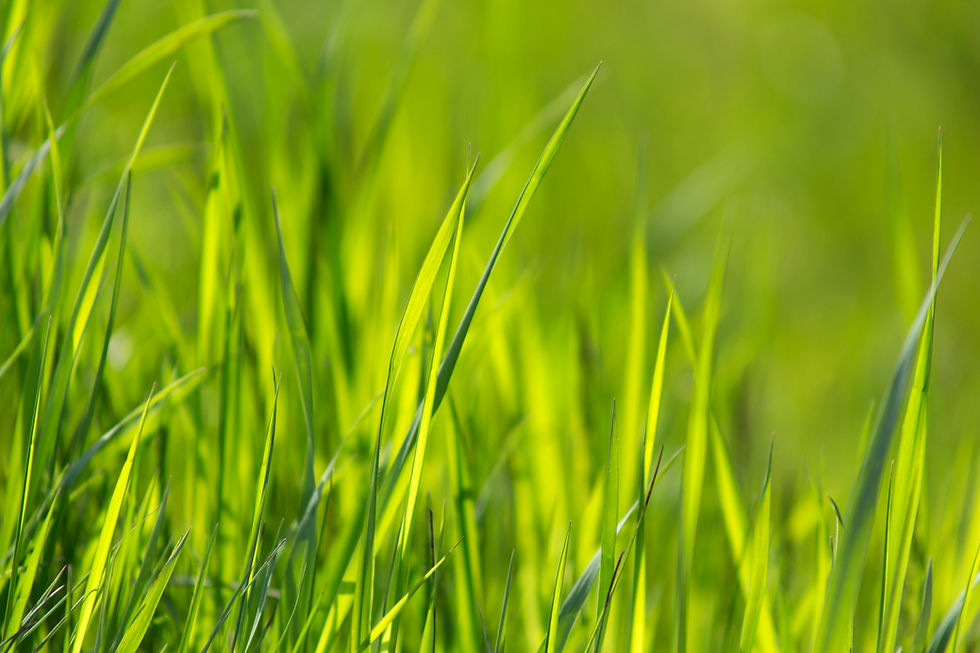
If you’ve noticed that your “spring cold” keeps returning every year around the same time, you may actually be dealing with grass allergies. For Vaughan residents, grass pollen season is already underway, and understanding what’s happening can help you take control of your symptoms. Discover more about our doctors office in Vaughn and the allergy shot treatments we offer.
The Essentials You Need to Know
Grass pollen usually starts showing up in Vaughan in late May, peaks in June and July and can linger on into August. But with our warmer winters, this season has been sneaking up on residents earlier than we're used to.
The usual symptoms of a grass allergy include sneezing fits, a runny nose that just won't quit, a blocked-up nose that makes it hard to breathe, itchy eyes, and eyes that just keep watering. For some of you, grass pollen can actually make your asthma symptoms worse or make eczema act up, both in adults and kids.
There are some simple things you can do to help take the edge off, like not mowing or trimming your own grass during peak pollen times, keeping those windows closed on dry windy days, showering and changing as soon as you get home from being outside, and looking into HEPA air purifiers like IQAir types.
Antihistamines and nasal sprays from the pharmacy can be a big help for many people, but if your symptoms don't go away after a while, it's time to see your doctor.
Why We're Seeing More Grass Allergies Emerging in Vaughan
For a lot of people living in Vaughan, seasonal allergies just seem to appear out of nowhere, even if they never had a problem with peak tree pollen season or hay fever before. And that's not just your imagination at work. A few different factors have combined to make grass pollen allergies a bigger deal for our community.
In Southern Ontario, grass allergy season usually kicks off in late May, peaks in June and July, and can drag on into August, depending on the weather. However, our milder winters and earlier thaws have been pushing this season forward, so we're getting more weeks of pollen exposure than we used to.
There's also been a big jump in grass pollen levels in the area due to our rapid local growth. New lawns, parks, sports fields and landscaped areas have all added to the overall pollen count. Vaughan's population has more than doubled since 1996, which has led to a lot more turf grass in the area.
Commute routes along Highway 400 and Highway 7, or spending time near big green spaces like Boyd Conservation Area or Canada's Wonderland, can also expose you to higher pollen counts, even if you're only outside for a short time. When you drive, the traffic stirs up those particles, and open car windows let them right on in.

What Grass Pollen Is and How It Triggers Allergies
Grass pollen is a fine yellowish dust that flowering plants like lawn grasses release to reproduce. These tiny particles are so light that they can be carried by the wind all across the neighbourhoods in Vaughan and beyond.
When someone with a sensitive immune system breathes in grass pollen, their body mistakes it for an invader and starts to freak out, releasing chemicals like histamine that lead to all the miserable symptoms: sneezing, stuffy nose, and eye problems.
Here's what makes grass pollen so tough to deal with:
Those lightweight particles can travel up to 50 or 100 km on breezy days
You can react even if you don't have a big lawn or visible grass in your yard
Outdoor pollen levels are usually highest on warm, dry days (above 20°C), especially in the early morning and early afternoon
Your household ventilation brings pollen indoors through open windows and vents
Getting yourself a high-efficiency filtration system, like an IQAir-style HEPA system or a better central HVAC filter, can really help reduce indoor pollen levels and keep those allergens out of your living space.

FAQ: Grass Allergies for Vaughan Residents
What are the best over-the-counter products for managing emerging grass allergies?
Lots of people find that taking antihistamines can help with symptoms. Cetirizine (Zyrtec), loratadine (Claritin), and fexofenadine (Allegra) are some names you might come across, and they can help reduce sneezing, runny noses and itchy, watery eyes. Antihistamine eye drops can be particularly helpful if you're having a lot of eye problems. And don't forget steroid and antihistamine nasal sprays. They can really help with congestion and inflammation.
What are the initial symptoms of developing a grass pollen allergy?
When people catch a grass pollen allergy early on, they tend to get sneezing fits, a runny or congested nose, itchy and watery eyes and sometimes a bit of an itchy throat or ears. These symptoms might look a lot like a cold, but they keep coming back or get really bad during grass pollen season.
When does grass pollen season typically begin in Ontario?
In general, the grass pollen season in Ontario starts in late May or early June and sticks around until July.
How long does a grass allergy last?
Grass pollen allergies usually last as long as the grass is in bloom, which can be several weeks to a few months a year, depending on where you live and what type of grasses are around you. Usually, symptoms kick in when the grass pollen starts coming out and then fade after the pollen season is over.

Signs of Grass Allergy Symptoms in Adults and Children
Many people in Vaughan have a tough time telling grass allergies from recurring "spring colds" because the symptoms show up so predictably each year during grass pollen season.
Typical allergic rhinitis symptoms include:
Sneezing fits that just won't quit
A runny nose that just won't dry up
Nasal passages feel all clogged up
Itchy nose and itchy palate
Post-nasal drip is causing a sore throat and throat clearing
Eye allergies (allergic conjunctivitis) often involve:
Red, gritty or burning eyes
Itchy eyes that just water all the time
Symptoms getting worse after being outside, at the park or on the sports field
Lower airway symptoms to watch out for:
A persistent cough
Chest tightness or wheezing
Shortness of breath when you're running around or playing soccer
Skin reactions:
Itchy rashes or hives where your bare skin touches freshly cut grass
Particularly common in kids who play on lawns or sports turf
Timing is key: If your symptoms reliably flare up between late May and August and then magically go away in late summer or after heavy rain, it's a safe bet that grass pollen is to blame rather than a viral illness.
Grass Allergy Season in Vaughan
We're not all equal when it comes to allergy triggers, but a few nasty northern grasses take centre stage during pollen season in Southern Ontario, especially for those who are super sensitive.
Vaughan lawns and public spaces pretty much kick into high gear in May and stay on the mowing schedule until September, right in line with when allergy sufferers are dealing with their worst symptoms.
Warmer spring temps and longer frost-free windows mean we have a longer and earlier pollen season on our hands. Tree pollen gets going a bit earlier (April through to early May), then the ragweed takes over, coming mid-August.
Planning ahead for lower-pollen times can help keep your outdoor activities going without too much discomfort. Look at the local pollen forecasts for Toronto/Vaughan so you can plan your time outside for after a good rain or later on in the day when the winds are calmer.
Self-Care: Reducing Your Grass Pollen Exposure
You don't need medication right off the bat to get some relief from pollen allergies in Vaughan. Just a few simple changes to your daily routine, and you can breathe a little easier.
Here are some things that work for us:
Let someone else handle the lawn care:
Either have a family member, neighbour or the lawn service take care of mowing and trimming in peak pollen weeks (June and July)
All those fresh grass clippings you see are just great at sending pollen into the air, so it's really best to let someone else handle that part
Keep your indoor space allergy-friendly:
Keep your home and car windows shut when it's dry and windy outside, using the AC instead of opening windows for some relief
Get inside as much as you can when pollen counts are high
Pay a bit of attention to pollen hygiene:
Get yourself and your clothes clean after being outside, even if just for a quick walk around the block
Take your outdoor gear out of the bedroom at night and change your clothes immediately after spending time outside
Wash your outdoor gear, especially fabrics, in separate loads from your everyday clothes
Get your air clean:
Vacuum regularly with a HEPA vacuum. This will help clean up some of that pesky pollen
Use a high-efficiency air purifier (something like an IQAir) in the bedroom, which helps you breathe better by 40-60% per the studies
Clean out your vents and replace filters as needed. This will help keep the air in your home clean
If you're a pet owner:
Take the time to wipe down your pets (especially their fur and paws) after they've been outside
Pets can bring pollen into your home on their coats and paws, so take care of that regularly, and maybe keep them out of the bedroom during peak pollen season
Medical Grass Allergy Treatment Options
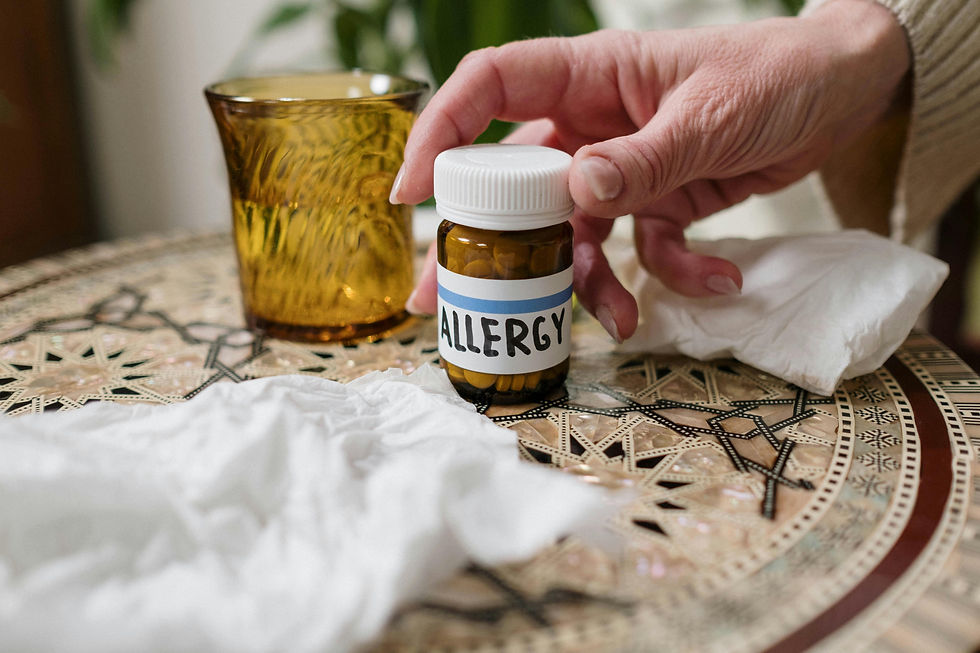
Even with all the self-care in the world, some of you are still going to need a little extra help to get through the pollen season. That's where evidence-based meds and treatments come in.
Over-the-counter options:
Oral antihistamines that don't knock you out (cetirizine, loratadine)
Eye drops for when your eyes get itchy
Saline nasal spray to help clear out your nasal passages
Just remember to use these consistently during peak pollen season to get the best results
What your doc might prescribe:
Steroid nasal sprays for when congestion is a real problem
Antihistamine-steroid combos for a one-two punch
Leukotriene blockers to help with those lower airway symptoms
Asthma inhalers, if you've got asthma
Allergy testing:
Skin prick tests to figure out what's causing all your allergy woes (80-95% accurate for grass mixes)
Blood test for specific allergy antibodies
Get with your primary care doc to set one up. This will help confirm exactly what's causing your allergic reaction
And then there's immunotherapy:
Allergy shots basically train your body not to react to certain allergens
Sublingual immunotherapy, which is like the shots, but you take a tablet instead
It takes a few years, but these can actually help reduce your sensitivity by 30-50%
Don't try to self-diagnose asthma or start any new meds without talking to a doctor first.
You've got a medical history, and some foods can cause cross-reactions with certain allergies (like melon or peach), so let a pro help you out.
Some people swear by herbal teas and other natural remedies, but these aren't a good substitute for actual allergy treatment for most people.

When Vaughan Residents Should See a Doctor
You can probably manage your mild pollen allergy symptoms on your own, but there are times when it's worth getting some professional help.
You should get a doctor's visit if:
Your symptoms go on for more than a couple of weeks every year
You're having trouble getting to sleep (or getting to school/work) because of your allergies
You need over-the-counter meds all the time without getting any real relief
Your symptoms feel different this year than they used to
Get to the doc right away if:
You're having trouble breathing or feeling tight in your chest
You've got wheezing, or you're using that rescue inhaler way too often
Your lips or tongue swell up after you've been out in the grass
You're having one of those super severe allergic reactions
Children in Vaughan should be evaluated if they develop:
Persistent nasal congestion or mouth-breathing
Dark circles under the eyes (“allergic shiners”)
Chronic cough during the grass season
Exercise-related breathing issues
Eagles Landing Medical Centre’s family physicians and clinical team can help distinguish grass allergies from viral infections, sinusitis, farm animal exposure reactions, or other allergens affecting your health. They’ll work with you to create a tailored treatment options plan.
Ready to take action? If you suspect grass allergies are robbing you of some quality of life, book an appointment at Eagles Landing Medical Centre and get the help you need to feel better.


Comments